
The story continues
A LIFE IN MUSIC.
BUILT IN LUSAKA.
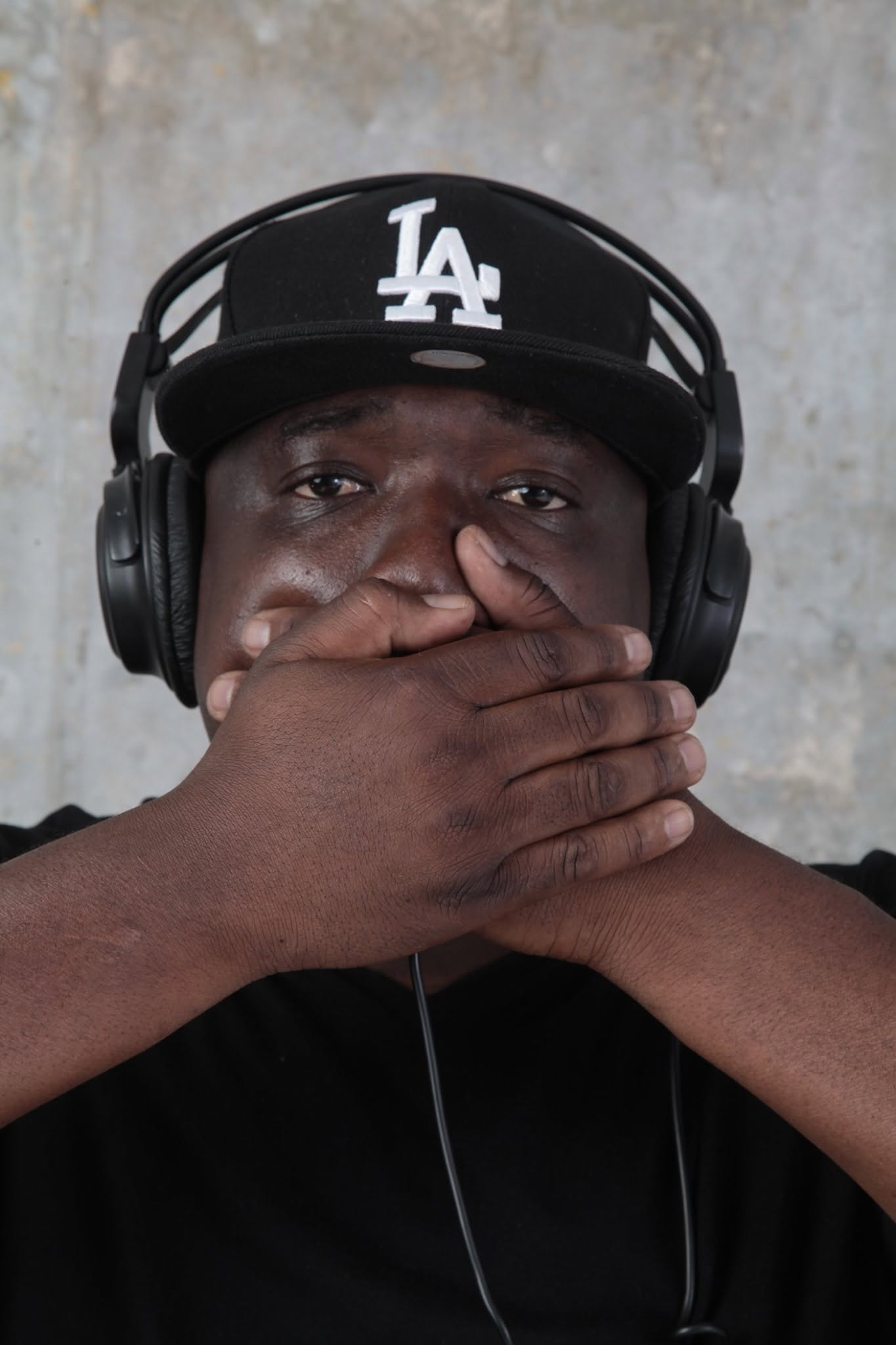
Duncan Sodala, known professionally as Holstar, is a Zambian hip-hop artist, songwriter, music executive and cultural advocate whose career has been closely connected to the growth of Zambia’s hip-hop scene.
Explore the storyDuncan Sodala, known professionally as Holstar, is a Zambian hip-hop artist, songwriter, music executive and cultural advocate whose journey has been closely connected to the growth of Zambia’s hip-hop scene.
Born and raised in Lusaka, Duncan discovered hip-hop at a young age. What began as a fascination with the music grew into teenage freestyle sessions, amateur recordings and, eventually, a career spanning music, artist development, management and entrepreneurship.
Duncan would host freestyle sessions at home, where artists gathered to rhyme, experiment and sharpen their craft. Over time, the nickname evolved from The Host to The Holstar, and eventually simply Holstar.
From Listener to Lyricist
Duncan has traced his first real encounter with hip-hop to the early 1990s, when, at around 11 years old, he heard Snoop Dogg’s Doggystyle. It opened the door to a culture that would become a major part of his life.
By his teenage years, Duncan was writing, freestyling and making amateur recordings at home. As his involvement deepened, he began developing his own voice as an MC while simultaneously creating spaces where other artists could develop theirs.
His first releases as Holstar emerged in the mid-2000s, beginning a recording career that would stretch across albums, EPs, mixtapes and collaborations with artists and producers from Zambia and beyond.
His writing explores life, love, identity, society, Zambia, Africa and world affairs through a lyrical, introspective approach.
The Holstar
Holstar’s catalogue reflects an artist who has consistently treated hip-hop as both music and documentation.
Across albums, EPs, mixtapes, singles and collaborative projects, his catalogue has connected him with producers, vocalists and MCs from Zambia and across the African continent. Projects including God • Life • City • Time offered a particularly personal view into Duncan’s life and hip-hop journey.
For Holstar, collaboration has always been bigger than a feature on a record. It is a way of connecting scenes, audiences and ideas across borders.
Explore the music →03
Slam Dunk Records
Duncan’s contribution to Zambian hip-hop extends beyond his own recordings. Through Slam Dunk Records, he became involved in developing, managing and creating opportunities for other artists at a time when locally produced hip-hop was still fighting for broader recognition in Zambia.
His response was not simply to make more records.
It was to help build infrastructure.
Through artist development, management, recording, promotion and collaboration, Slam Dunk Records became part of a growing movement pushing Zambian hip-hop toward a larger national and international audience.
04
The Zone
An important part of that story developed around Zone Studios, a creative space associated with Duncan Sodala and Kati Kawanu. Artists gathering around the studio eventually formed the foundation of what became Zone Fam.
With Jay Rox, Dope G, Yung Verbal and Thugga, the group became one of the most recognizable Zambian hip-hop groups of its era. Duncan served as manager while continuing his own work as Holstar.
Collaborations including work with Nigerian producer Teck-Zilla, and records such as Shaka Zulu On Em, helped demonstrate that Zambian hip-hop could travel beyond its borders without abandoning its identity.
Building Zambian Hip-Hop
Long before African hip-hop enjoyed today’s global visibility, Duncan was advocating for greater recognition of artists creating hip-hop in Zambia.
He has described his mission as helping to develop, cultivate and showcase hip-hop music in Zambia and providing platforms for artists who might otherwise struggle to be heard.
That philosophy shaped his work as an artist, manager and label executive. Duncan has worked across borders because he believes African artists grow stronger when their scenes connect rather than operate in isolation.
Explore the Zambian hip-hop archive →More Than Music
Duncan’s interests have always extended beyond the recording studio. Music sits alongside a broader appreciation for art, poetry, culture, community, history and youth empowerment.
That interest in preserving culture and memory found another expression through The Time Machine Zambia, a project built around Duncan’s fascination with vintage items, music, books and nostalgia.
For Duncan, objects from the past are more than collectibles. They tell stories.
Records, photographs, books, posters, music, fashion and other cultural artifacts can preserve memories of how people lived, what they listened to and what mattered to them.
It is the same instinct that runs through his music:
Document the moment so that it isn’t forgotten.
From the city that shaped the story
Lusaka to the World
Lusaka remains central to the Holstar story.
It is where Duncan was born and raised. Where he first discovered hip-hop. Where freestyle sessions became recordings. Where artists gathered. Where ideas became records. Where The Host became The Holstar.
Through music, collaborations, artist management and cultural exchange, Duncan’s career has consistently connected Lusaka with a wider African hip-hop community.
The next chapter
The Story Continues.
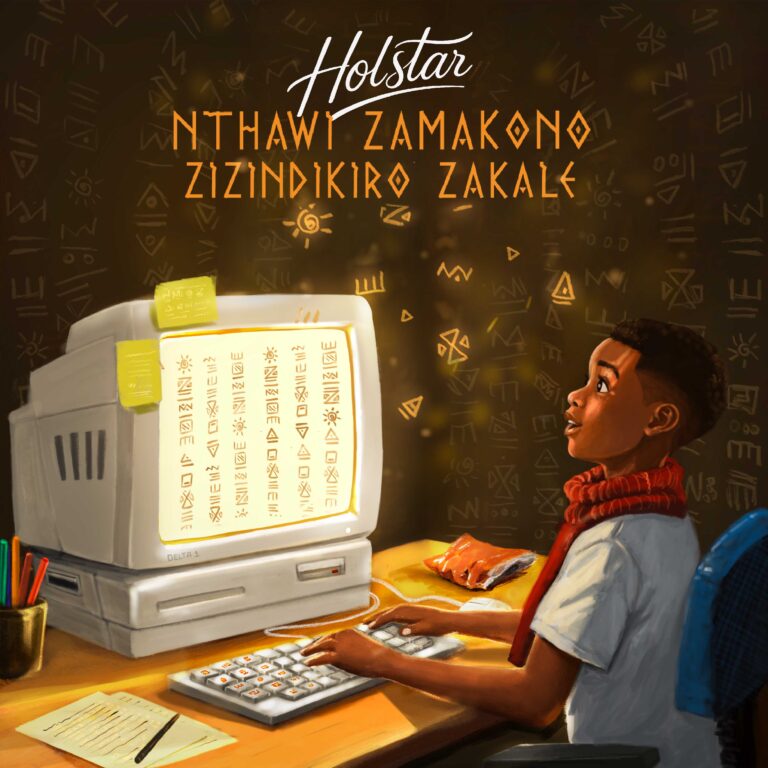
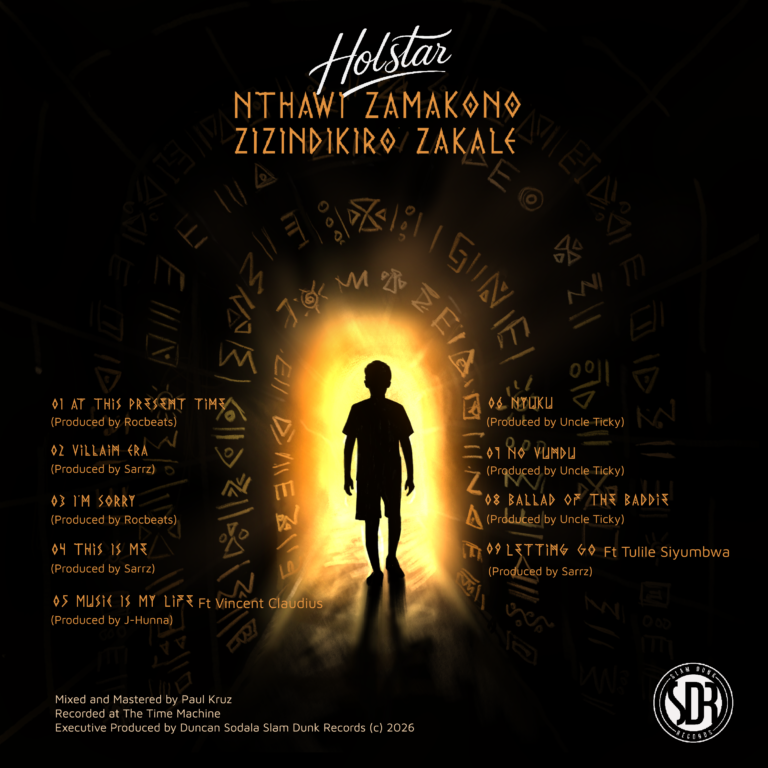
More than two decades after his earliest recordings, Holstar continues to make music. New songs sit alongside an increasingly deep catalogue. New collaborations connect with old relationships. And the same curiosity that drove those early freestyle sessions continues to shape the work today.
This website is a living archive of the music, people, stories and experiences that shaped Duncan Sodala — Holstar — and the Zambian hip-hop culture he has spent years helping to build.
The records tell part of the story.
We’re preserving the rest here.